
Situating LLMs for Creatives: Philosophy, Workflows, and Political Economy
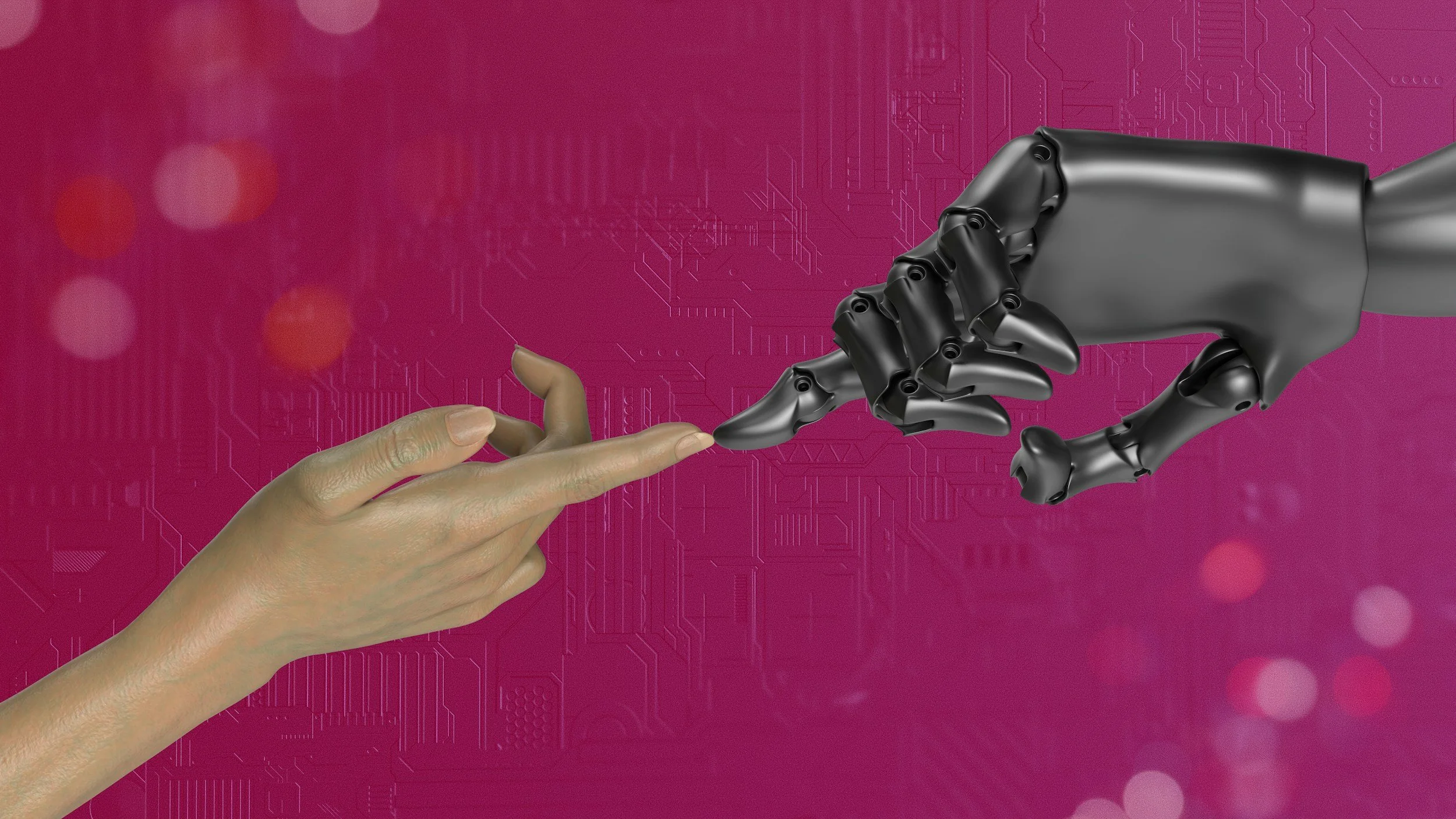
A practical, philosophical, and politically grounded guide to how creatives should use AI without surrendering the human parts of creative work. This article explains what large language models really are, why they are not “intelligent” in the human sense, where AI tools help with automation, research, coding, file handling, and analytics, and where they still fail at novelty, judgment, meaning, and strategy. It also explores generative AI through the lens of labor, value, and creative work, arguing that the real threat is less aesthetic than economic. For marketers, editors, designers, producers, and other digital creatives trying to decide whether AI belongs in their workflow, this piece offers a clear answer: let the computer do the computer things, and protect the human work that only humans can do.

Seeing Beyond the Numbers: Why Data Visualization Matters
This is called Anscombe’s Quartet, and it’s a striking reminder that data visualization isn’t just a nice extra, it’s often the critical step in truly understanding what those numbers are trying to tell you.

What Programmers and Creatives Can Learn From Each Other
Coding can be easily dismissed by creatives as non-creative, but one only thinks that way if one has never really tried programming. When you find an elegant and simple solution to a difficult logical problem in a coding language, it is a feeling of such sublime bliss, that it rivals the feeling one gets from a eureka moment when creating art… If you make a mistake or if life throws you an error, smile! You just learned something. If you’re clever, you’ll build new ways of handling that situation in the future. That is how bugs become features.